

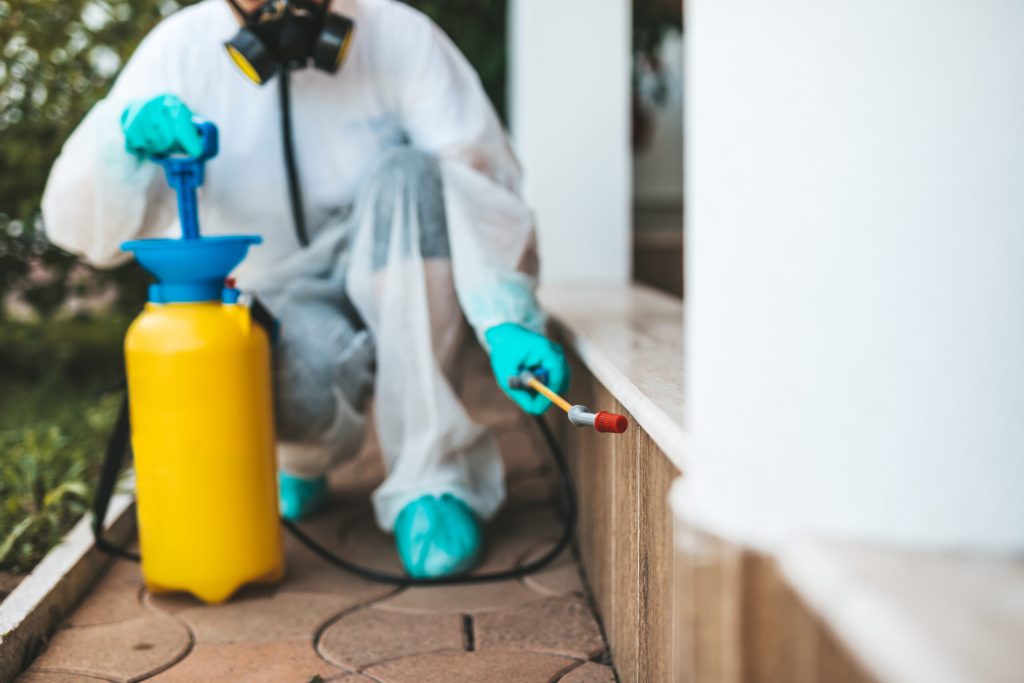
They also explain what is happening in plain terms, what the realistic options are, and what the property owner can do next to reduce future risk.
What is a termite specialist, and how are they different from a general pest controller?
A qualified termite specialist focuses specifically on termites rather than treating a wide range of general household pests. They are trained to recognise termite behaviour, likely entry points, and the subtle signs of activity that are easy to miss.
They also tend to use termite-specific tools, monitoring systems, and treatment strategies, and they should be able to advise on longer-term prevention rather than a one-off spray.
How do they confirm whether termites are actually present?
They start by looking for evidence that matches termite activity, not guesswork. That may include mud tubes, damaged timber, blistered paint, discarded wings, frass (for drywood termites), or hollow-sounding wood.
If the signs are unclear, they may recommend monitoring or a follow-up inspection. Good specialists avoid “panic selling” and explain the confidence level of their findings.
What does a proper termite inspection include?
A proper inspection is systematic and risk-based. They check accessible timber, subfloors, crawl spaces, roof voids, garages, fences, and any areas where moisture and timber meet.
They also look at conditions that attract termites, such as poor ventilation, leaking pipes, garden beds against walls, timber-to-soil contact, and stored wood. The goal is to find activity and understand why the property is vulnerable.
What tools do termite specialists use during inspections?
They often use moisture meters, sounding tools, torches, probes, and sometimes thermal imaging to locate suspicious areas without unnecessary damage. Moisture matters because many termites thrive where timber stays damp.
Some also use termite detection devices or monitoring stations to confirm activity over time. They should be clear about what each tool can and cannot prove.
How do they identify the termite species and why does it matter?
They identify the termite type because treatments and risks differ. Subterranean termites typically travel from soil and may require barrier treatments or baiting, while drywood termites live inside timber and often need targeted approaches.
Species affects where they search, how they treat, and what follow-up is needed. It also influences how urgently action is required and which parts of the property are at highest risk.
What treatment options can they provide?
They usually recommend one of three paths: baiting, a chemical soil barrier, or a targeted timber treatment, depending on species, access, and the structure. In some cases, they may combine methods.
A specialist should explain what each option is designed to achieve, how long it takes, what disruption to expect, and what success looks like. They should also outline limitations, such as access constraints or reinvasion risk.
How do baiting systems work in practice?
Baiting aims to eliminate the colony, not just kill the termites seen on the surface. They install bait stations, confirm termite feeding, then use a slow-acting bait so termites share it through the colony.
They return for scheduled checks and adjustments until activity stops, then continue monitoring. It is a process, not an instant fix, and it works best when follow-ups are consistent.
When would they recommend a chemical barrier instead?
A chemical barrier is often used to help prevent subterranean termites entering from the soil. They apply termiticide to the soil around and sometimes beneath parts of the property, depending on construction type and access.
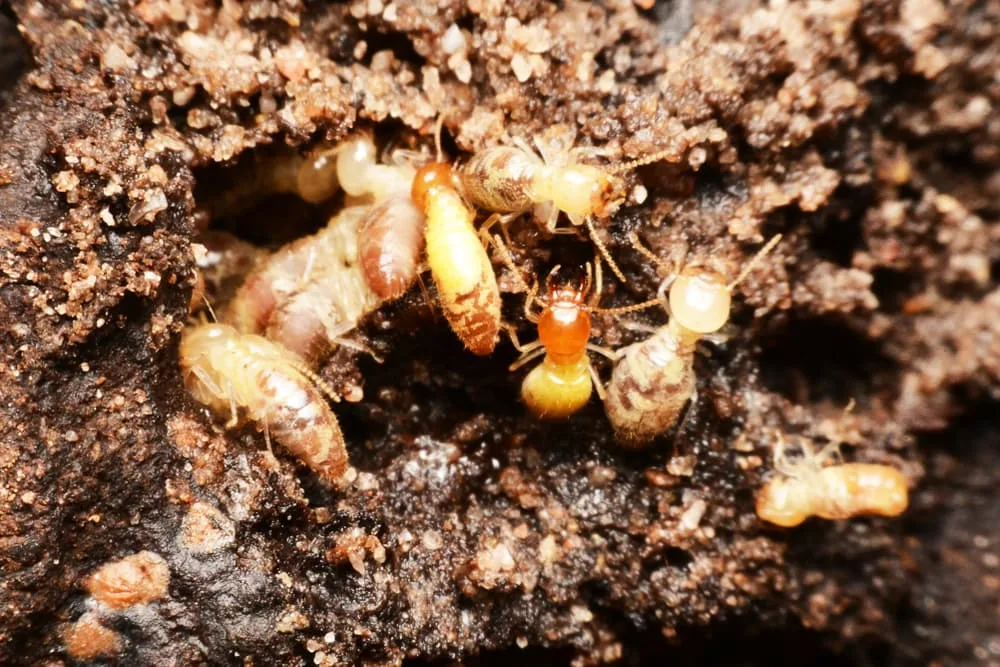
They may recommend it when the risk is high, when quick protection is needed, or when baiting is impractical. They should describe exactly where the barrier will and will not be placed.
Do they repair termite damage?
Most termite specialists do not carry out structural repairs themselves, although some companies may offer it as a separate service. Their job is usually to stop active termites and reduce the chance of return.
They may advise getting a builder, carpenter, or structural engineer to assess damage, especially if load-bearing timber might be affected. They should also note that repairs before treatment can sometimes make activity harder to trace.
What kind of report and advice should they provide afterwards?
They should provide a clear written report that states what was found, where, and how serious it appears. It should include photos where possible, the areas inspected, any limitations, and the recommended next steps.
They should also give practical prevention advice, such as reducing moisture, improving ventilation, removing timber contact with soil, and adjusting landscaping that creates hidden entry points.
How do they prevent termites from coming back?
Prevention is usually a mix of monitoring, property maintenance, and, where appropriate, protective treatments. They may install monitoring stations, recommend regular inspections, and highlight “risk conditions” that should be corrected.
They also explain that no solution is truly set-and-forget. Ongoing vigilance matters because termites are part of the surrounding environment and can reappear if conditions stay favourable.
What should someone ask before hiring a termite specialist?
They should ask what the inspection includes, what areas might be inaccessible, and how the specialist will confirm activity. They should also ask for the recommended treatment options and why one is being prioritised.
It is also sensible to ask about follow-up schedules, what warranty terms actually cover, and what the client must do to keep coverage valid. A trustworthy specialist will answer directly and avoid vague promises.
FAQs (Frequently Asked Questions)
What is the role of a termite specialist compared to a general pest controller?
A termite specialist focuses exclusively on termites, recognising their behaviour, entry points, and subtle signs that are often missed. They use termite-specific tools and treatment strategies aimed at long-term prevention, unlike general pest controllers who treat a broad range of pests.
How do termite specialists confirm the presence of termites in a property?
They look for clear evidence such as mud tubes, damaged timber, blistered paint, discarded wings, frass (for drywood termites), or hollow-sounding wood. If signs are unclear, they may recommend monitoring or follow-up inspections rather than guessing.
What does a thorough termite inspection involve?
A proper inspection is systematic and risk-based, checking accessible timber areas like subfloors, crawl spaces, roof voids, garages, fences, and places where moisture meets timber. Specialists also assess conditions attracting termites such as poor ventilation, leaks, timber-to-soil contact, and stored wood.
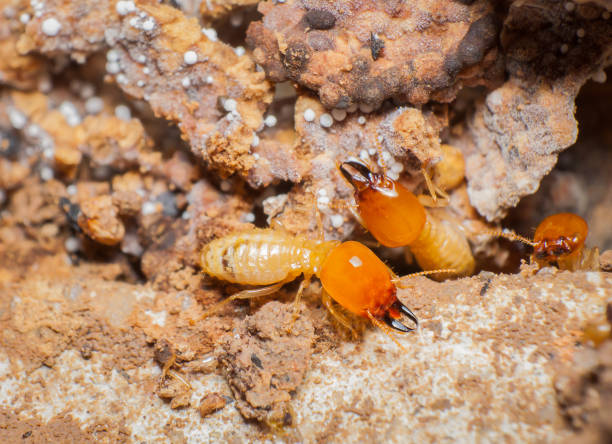
Why is identifying the termite species important for treatment?
Different species require different treatments and pose varying risks. For example, subterranean termites travel from soil needing barrier treatments or baiting; drywood termites live inside timber requiring targeted approaches. Species identification guides search areas, treatment methods, urgency, and follow-up care.
What treatment options do termite specialists typically recommend?
Treatment usually involves baiting systems to eliminate colonies over time, chemical soil barriers to prevent subterranean termites entering from soil, or targeted timber treatments. Sometimes methods are combined depending on species, access, and property structure. Specialists explain each option’s process, disruption level, success criteria and limitations.
How can property owners prevent termites from returning after treatment?
Prevention includes regular monitoring with installed stations where appropriate, ongoing property maintenance like reducing moisture and improving ventilation, removing timber-to-soil contact, and correcting landscaping that creates hidden entry points. Specialists emphasise that vigilance is essential since termites can reappear if conditions remain favourable.