

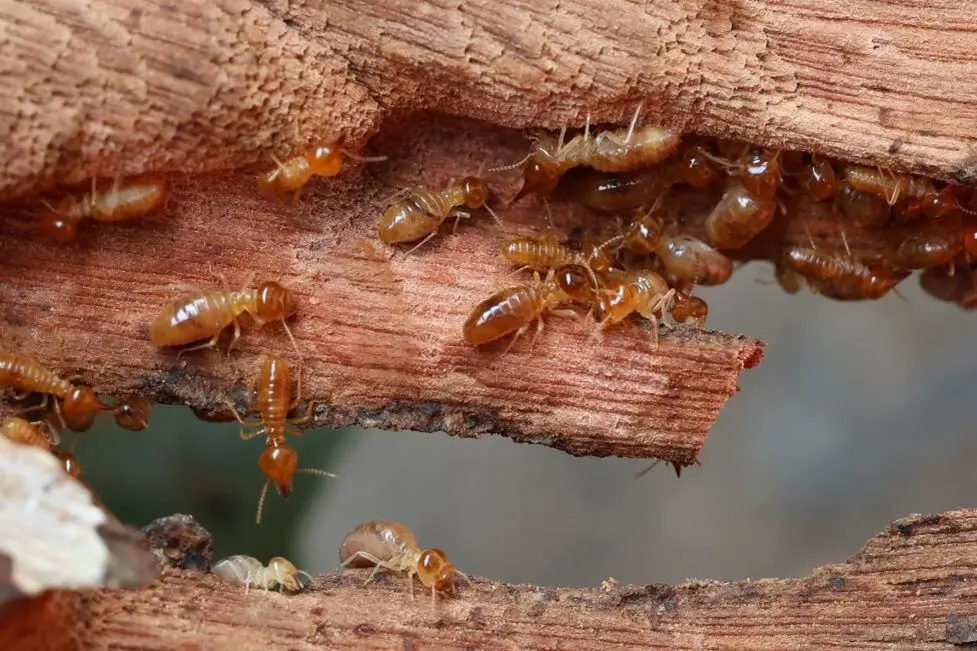
Should they call a specialist as soon as they suspect termites?
Yes. If they have even a mild suspicion, a specialist inspection is the safest next step because termites can cause serious structural damage long before obvious signs appear. A professional can confirm whether it is termites, identify the species, and locate activity without guesswork.
Waiting to “see if it gets worse” often allows the infestation to grow larger, more expensive, and harder to treat. Contacting a qualified termite specialist early can prevent minor activity from turning into significant structural damage.
What signs mean they should call immediately?
They should call straight away if they notice any of these:
- Mud tubes on brickwork, piers, walls, or along slab edges
- Hollow-sounding timber, skirting boards, or door frames
- Tight doors or windows that suddenly stick
- Blistering paint that looks like water damage
- Papery timber, pinholes, or fine timber dust
- Swarmers (winged termites) or discarded wings near windows
These signs can indicate active termites, not just old damage.
Is seeing flying termites a reason to contact a termite specialist Sydney?
Yes. Flying termites usually mean a colony is nearby and attempting to expand. Even if the swarmers are outside, it can still indicate risk to the home, garage, or neighbouring structures.
Because swarming can be seasonal and short-lived, a quick professional inspection helps confirm whether there is a local nest and whether the property is already affected.
Should they call if they find termite damage but no live termites?
Yes, because visible damage does not confirm the infestation has gone. Termites often move deeper into timber or into different parts of the structure, leaving older galleries behind.
A termite specialist can determine whether the damage is historic, whether there is current activity, and what monitoring or treatment plan is needed to prevent re-infestation.
When is DIY treatment a bad idea?
DIY is a bad idea when termites may be active inside the structure, when the nest location is unknown, or when they cannot confidently identify the pest. Many off-the-shelf sprays can make termites scatter, which may spread the infestation to new areas and delay proper treatment.
Specialists use targeted methods, detection tools, and treatments designed to eliminate colonies, not just the termites that are visible.
Should they call before buying a property in Sydney?
Yes. A pre-purchase timber pest inspection is one of the most important checks they can arrange, especially in Sydney where termite pressure can be high. A specialist can report on active termites, previous activity, conducive conditions, and likely risk areas.
This can protect them from inheriting costly repairs and can also support negotiations if issues are found.
Should they arrange an inspection after heavy rain, flooding, or plumbing leaks?
Yes. Moisture is a key termite attractant, and leaks can create ideal conditions in wall cavities, subfloors, and around bathrooms or laundries. After water events, termites may become more active or easier to detect, but the damage risk can also increase.
If they have had recurring damp patches, drainage problems, or subfloor humidity, a specialist visit is sensible.
When should they call if they have a timber deck, pergola, or garden sleepers?
They should call if any outdoor timber is in contact with soil, stays damp, or shows signs of deterioration. Outdoor termite activity can become indoor activity, particularly where structures connect to the home.
A termite specialist can assess whether the outdoor timber is at risk, whether barriers have been compromised, and whether treatment or replacement is needed.
Should they call if a neighbour has termites?
Yes. Termite colonies can forage across property boundaries. If nearby homes have had termite activity, the risk to their property increases, even if their home looks fine.
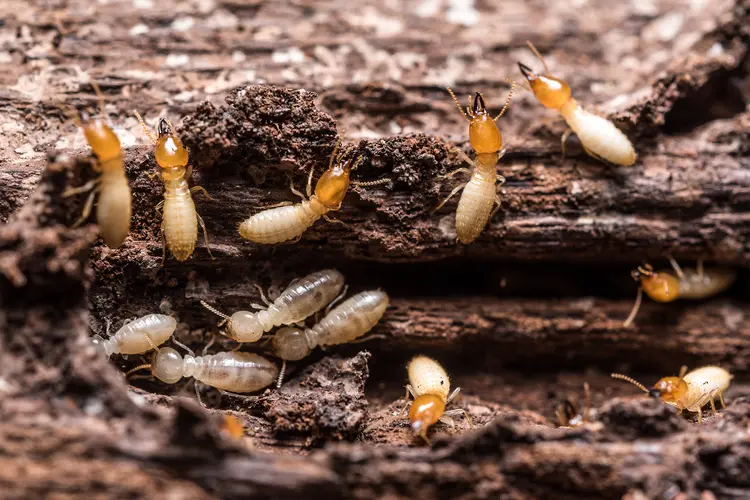
A specialist can set up monitoring and recommend prevention steps that match local conditions and building type.
How often should they book termite inspections in Sydney?
Most homes benefit from annual termite inspections, and some higher-risk properties may need them more often. Homes with subfloors, older construction, extensive gardens against the house, or a history of termite activity typically require closer monitoring.
A termite specialist can recommend a schedule based on the property, not a generic rule.
Should they call if they have termite protection but are unsure it is still working?
Yes. Barriers and baiting systems are not “set and forget”. Chemical barriers can be disturbed by renovations, landscaping, or drainage changes. Bait stations need correct placement and servicing to remain effective.
If they cannot confirm when the system was installed, serviced, or last inspected, a specialist can check coverage and fix gaps.
What should they do before the specialist arrives?
They should avoid disturbing suspected areas because it can push termites deeper into the structure. If possible, they can:
- Take clear photos of any signs
- Note where and when they noticed activity
- Keep access clear to subfloors, manholes, and garages
- Avoid spraying household insecticide on suspected termite zones
A specialist inspection works best when evidence is undisturbed.
What is the simplest rule for deciding when to call?
If they can see signs, suspect hidden damage, or know their property has higher risk conditions, it is time to call a termite specialist in Sydney. Termites do not resolve on their own, and early intervention is usually the cheapest option.
When in doubt, an inspection is a small cost compared to structural repairs and ongoing reinfestation risk.
FAQs (Frequently Asked Questions)
When should I call a termite specialist in Sydney if I suspect termites?
You should call a termite specialist as soon as you have even a mild suspicion of termites. Early professional inspection is crucial because termites can cause serious structural damage long before obvious signs appear. A specialist can confirm the presence, identify the species, and locate activity accurately.
What are the immediate signs that indicate I should contact a termite specialist?
Call immediately if you notice mud tubes on brickwork or walls, hollow-sounding timber or door frames, tight or sticking doors and windows, blistering paint resembling water damage, papery timber with pinholes or fine dust, or swarmers (winged termites) and discarded wings near windows. These signs often indicate active termite infestation.
Is seeing flying termites (swarmers) around my home a reason to get a professional inspection?
Yes. Flying termites usually mean there is a nearby colony attempting to expand. Even if swarmers are outside, they indicate potential risk to your home or neighbouring structures. Since swarming is seasonal and brief, a prompt professional inspection helps confirm local nests and infestation status.
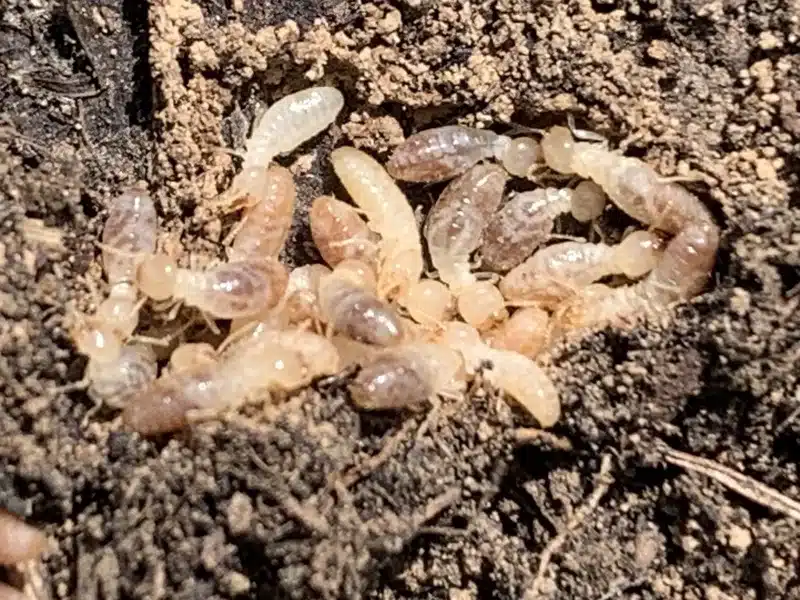
Should I call a termite specialist if I find termite damage but no live termites?
Yes. Visible damage does not guarantee the infestation has ended; termites may have moved deeper into the structure. A specialist can determine whether the damage is historic or current and recommend appropriate monitoring or treatment plans to prevent re-infestation.
Why is DIY treatment often not recommended for termite infestations?
DIY treatments are risky when termites may be active inside structures or when nest locations are unknown. Off-the-shelf sprays might scatter termites, spreading the infestation and delaying proper control. Professionals use targeted detection tools and treatments designed to eliminate entire colonies effectively.
How often should homes in Sydney schedule termite inspections?
Most homes benefit from annual termite inspections, while higher-risk properties—such as those with subfloors, older construction, extensive gardens near the house, or previous termite activity—may require more frequent checks. A termite specialist can recommend an inspection schedule tailored to your property’s specific risks.