
Blazer badges are small details with a big job: they identify a person’s school, club, unit, or role at a glance. In Australia, they are worn across private schools, surf lifesaving, sporting clubs, community groups, and service organisations, often carrying decades of tradition.
This guide explains what blazer badges typically represent, how to read their symbols, and how Australians commonly wear and care for them.
What are blazer badges, in simple terms?
Custom blazer badges are embroidered, woven, or metal insignia attached to a blazer pocket, breast, or lapel to show affiliation. In most Australian settings, they act like a uniform “signature” that confirms membership and signals pride in a group.
They can be permanent (sewn on) or removable (pinned or Velcro-backed), depending on the organisation and the wearer’s needs.
What do blazer badges represent in Australian schools?
In Australian schools, blazer badges typically represent the school identity first, then a student’s achievement or position. They often confirm the campus, house, year level, or leadership appointment, especially in formal uniforms used for assemblies, ceremonies, and interschool events.
Many schools use blazer badges to distinguish prefects, captains, or scholarship holders without changing the entire uniform.
How do clubs and community organisations use blazer badges?
Clubs and community groups use blazer badges to represent membership, role, and sometimes accreditation. In Australia this is common in sporting clubs, legacy groups, bowls clubs, rotary-style networks, and volunteer organisations that attend formal events.
Blazer badges help members present a unified look at presentations, dinners, fundraisers, and remembrance services.
What symbols and design elements commonly appear on blazer badges?
Common elements include shields, wreaths, crowns, waves, animals, stars, and stylised initials. These visuals usually reflect local history, values, or the organisation’s “story” in a compact form, often backed by a motto ribbon.
Because blazer badges are designed to be readable from a distance, they favour bold shapes and high contrast thread colours.
What do colours on blazer badges usually mean?
Colours typically indicate identity, tradition, or category. In school settings, colours may match the school’s official palette, while house colours may appear as bands, quarters, or chevrons. In sporting contexts, colours often align with a club’s playing strip or association colours.
Some blazer badges use gold thread to suggest prestige, seniority, or formal recognition rather than everyday participation.
What do letters, initials, and monograms on blazer badges signify?
Initials usually stand for the school, club, or association name, especially when the full name would be too long. Monograms can also point to heritage, such as an older founding name, a merged school, or a long-running club that wants to preserve its original identity.
In many Australian institutions, a clean monogram is the quickest way to make blazer badges recognisable across generations.
What do crests, shields, and coats of arms on blazer badges indicate?
Crests and shields typically signal tradition and formal structure. In Australia, many schools and long-established organisations borrow heraldic conventions, using quartered shields, icons of learning, native flora, or regional symbols tied to the local area.
When blazer badges include heraldic shapes, they often communicate that the organisation has a defined hierarchy, history, and set of values.
What does a motto on blazer badges usually communicate?
A motto usually communicates the group’s guiding principle, such as service, perseverance, learning, or teamwork. In Australian schools, mottos are often in Latin or English and may be tied to founding documents, religious origins, or community aims.
On blazer badges, mottos are short by necessity, but they still function as a public statement of what the group stands for.
How do achievement and leadership blazer badges differ from standard ones?
Achievement and leadership versions tend to add visual cues that “upgrade” the base design. They may include laurel wreaths, extra gold thread, a different border, or a small tab that states “Captain,” “Prefect,” or the relevant title.
In many Australian schools, blazer badges for leadership are carefully controlled so that the role is clear, consistent, and not confused with general participation.
See Also : How Acrylic Pins Differ From Enamel Pins in Everyday Wear
How are sporting blazer badges typically awarded in Australia?
Sporting versions are often awarded for representative selection, premiership achievement, coaching roles, or long service. In some Australian schools and clubs, they are issued after meeting a defined standard, such as first team selection, state representation, or championship performance.
These blazer badges can become lifelong keepsakes, especially where teams have a strong culture of presentation nights and honour boards.
What is the difference between embroidered, woven, and metal blazer badges?
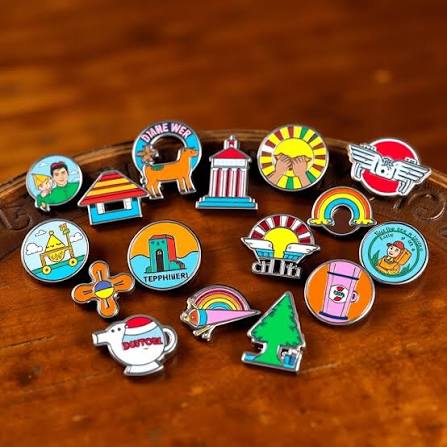
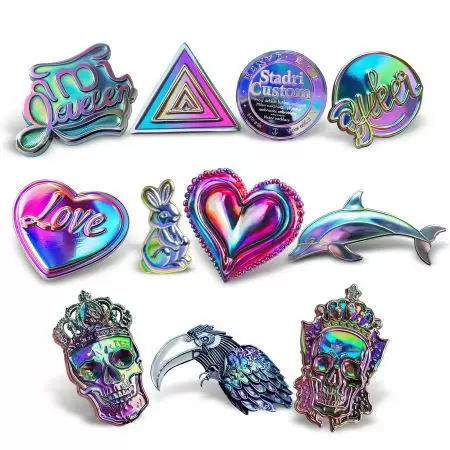
Embroidered designs use raised thread and look traditional, especially on thick blazers. Woven badges allow finer detail and sharper text, which suits small symbols and long mottos. Metal versions are often used as lapel pins or formal dress badges for dinners, board meetings, and official ceremonies.
Choosing the type often depends on how formal the organisation is and how often the badge will be worn.
Where are blazer badges usually placed on a blazer?
The most common placement is the left breast pocket, particularly for schools and formal clubs in Australia. Some groups use the chest area above the pocket, while metal pins may sit on a lapel for easier removal.
Because placement is part of uniform etiquette, many schools specify exact positioning so their blazer badges look consistent in photos and at events.
Are blazer badges meant to be sewn on or pinned on?
It depends on the organisation and whether the badge is permanent or role-based. Schools often prefer sewn-on badges for a clean look and durability. Role badges, anniversary badges, and event badges are more likely to be pinned or attached with Velcro so they can be changed.
For frequent wearers, removable blazer badges can reduce damage when the blazer goes to the dry cleaner.
What etiquette applies to wearing blazer badges at formal events?
They are generally worn neatly, cleanly, and in the correct position, with minimal extra pins that clutter the uniform. In many Australian settings, it is considered poor form to wear a badge they have not earned or to combine multiple organisations on the same blazer without guidance.
If the event is a presentation night or memorial service, blazer badges are usually kept understated so the focus stays on the occasion.
How should someone interpret multiple blazer badges on one person?
Multiple badges can indicate layered involvement, such as a school crest plus a leadership tab, or a club badge plus a service pin. In Australia, it is common to see one main crest supported by smaller markers that show role, awards, or years of service.
When blazer badges stack up, the general rule is that the primary organisation remains the most prominent.
Other Resources : Awards and recognition – NSW Department of Education
How are blazer badges designed and approved?
Most organisations set design rules covering colours, borders, fonts, and symbols to protect consistency. Many Australian schools treat the crest as protected artwork and limit changes to avoid “badge drift” over time.
Approval is often handled by a school council, committee, or executive, particularly if blazer badges will be used on official uniform items and merchandise.
What should they consider when ordering blazer badges in Australia?
They should confirm the correct artwork version, sizing, backing type, and thread colours, then request a sample before a full run. Australian suppliers often offer guidance on minimum quantities, turnaround times, and whether a badge will suit machine stitching.
They should also check if the design includes licensed elements, such as a registered crest, to avoid unauthorised reproduction of blazer badges.
How should blazer badges be cared for and stored?
They should keep them clean, dry, and protected from crushing, especially embroidered edges that can fray. For sewn badges, gentle spot cleaning is safer than aggressive scrubbing. For pinned or metal versions, storing them in a small case reduces scratches and lost clasps.
If the blazer is dry cleaned, it helps to tell the cleaner about any delicate blazer badges or removable parts.
Why do blazer badges still matter today?
They matter because they give people a visible link to belonging, achievement, and shared standards. In Australia, blazer badges still carry weight at school graduations, ANZAC-related services, sporting presentations, and community dinners where identity and recognition are part of the tradition.
Even when uniforms modernise, blazer badges remain a simple way to tell a group’s story without saying a word.
FAQs (Frequently Asked Questions)
What are blazer badges and what purpose do they serve in Australia?
Blazer badges are embroidered, woven, or metal insignia attached to blazers to signify a person’s affiliation with a school, club, unit, or role. In Australia, they act as a uniform signature that confirms membership and displays pride in various organizations such as private schools, surf lifesaving clubs, sporting teams, community groups, and service organizations.
How do Australian schools use blazer badges to represent student roles and achievements?
In Australian schools, blazer badges primarily represent the school’s identity and then indicate a student’s achievement or leadership position. They can denote campus location, house affiliation, year level, or appointments like prefects and captains. These badges help distinguish leadership roles without altering the entire uniform during formal events like assemblies and ceremonies.
What symbols and colors are commonly found on Australian blazer badges and what do they signify?
Common symbols on blazer badges include shields, wreaths, crowns, waves, animals, stars, and stylized initials that reflect local history and organizational values. Colors usually correspond to the organization’s official palette or house colors and can indicate identity or tradition. Gold thread often signifies prestige or seniority rather than everyday participation.
How are achievement and leadership blazer badges differentiated from standard ones in Australia?
Achievement and leadership blazer badges typically feature additional visual elements such as laurel wreaths, extra gold thread detailing, distinct borders, or tabs labeling titles like ‘Captain’ or ‘Prefect.’ These enhancements clearly communicate the wearer’s elevated role or accomplishment while maintaining consistency across the institution.
Where are blazer badges commonly placed on blazers in Australian organizations?
The most common placement for blazer badges in Australia is on the left breast pocket of the blazer. Some organizations position them above the pocket on the chest area. Metal lapel pins are often worn on the lapel for easy removal. Placement is usually regulated by uniform etiquette to ensure consistency in appearance at events and photographs.
What types of materials are used for Australian blazer badges and how does this affect their use?
Australian blazer badges can be embroidered (raised thread), woven (fine detail with sharp text), or made of metal (lapel pins). Embroidered badges suit traditional thick blazers; woven ones allow intricate designs suitable for small symbols; metal badges are preferred for formal occasions like dinners or official ceremonies. The choice depends on formality and frequency of wear.