
What exactly counts as a fine line tattoo?
A fine line tattoo uses very thin, precise lines to create delicate designs, usually with minimal shading. It often includes single-needle or tight needle groupings, smooth curves, and lots of negative space.
Because the lines are so small, any wobble, blowout, or uneven pressure can show immediately. That is why artist selection matters more here than in heavier styles.
Why is fine line harder than it looks?
Fine line is less forgiving than bold work because there is less ink and less margin for error. When choosing the best fine line tattoo artists Sydney, it’s important to understand that if the artist goes too deep, lines can spread, and if they go too light, the tattoo can fade quickly.
The best fine line tattoo artists Sydney balance depth, speed, and stretch so the line sits cleanly in the skin. They also know when to say no to designs that will not age well at tiny sizes.
What should they check first in a Sydney fine line artist’s portfolio?
They should start with consistency. A strong portfolio shows steady line weight, smooth curves, and clean intersections across many pieces, not just one or two highlight posts.
They should also look for variety in scale. If the artist only posts micro tattoos, they may struggle with slightly larger fine line designs, and vice versa.
Why does healed work matter more than fresh photos?
Fresh tattoos can look sharp even when the technique is weak, because the ink has not settled yet. Healed photos, ideally taken weeks or months later, show whether lines stayed crisp and whether the design held its shape.
They should look for healed lines that remain clear without looking fuzzy or patchy. If an artist rarely shares healed work, they can ask for examples before booking.
How can they spot red flags in fine line tattoos?
They should watch for shaky lines, uneven saturation, and inconsistent spacing. Another warning sign is excessive redness and swelling in fresh photos, which can suggest heavy-handed technique.
They should also be cautious with ultra-tiny text, very dense micro detail, and designs that rely on hair-thin lines to hold important meaning. A good artist explains which elements may blur over time.
What questions should they ask during a consultation?
They should ask how the artist approaches longevity, especially for small designs. A solid artist explains how they adjust line weight, spacing, and size so the tattoo heals readable.
Useful questions include: what aftercare is required, whether touch-ups are offered, and how long the artist recommends waiting before judging the healed result. The answers should sound specific, not generic.
How important is studio hygiene and licensing in Sydney?
It is non-negotiable. They should choose a studio that follows strict sterilisation practices, uses single-use needles, and opens cartridges and disposables in front of the client.
They should also check whether the studio and artist follow local NSW health requirements and have clear safety procedures. A clean, professional setup usually reflects professional standards in the tattooing too.
Should they choose an artist based on Instagram style alone?
Instagram is a starting point, not a decision tool. Filters, lighting, and fresh tattoo photos can make mediocre work look sharp.
They should look beyond aesthetics and check: healed examples, multiple angles, and close-ups that show line quality. Reviews can help, but the portfolio should carry the most weight.
What role does design placement and skin type play?
Placement affects aging. Fine line tattoos on high-friction areas like fingers, inner wrists, or feet tend to fade faster. Skin texture also matters, since very thin lines may not hold equally on every skin type.
The best artists guide placement and scale choices, and they adjust the design so it suits the body. If they insist on a specific spot, a good artist still explains the trade-offs clearly. To understand professional standards and techniques, explore this guide on performing cosmetic tattooing safely and effectively.
How can they compare pricing without falling for cheap deals?
Fine line tattoos should not be chosen by price alone. Cheap work often leads to touch-ups, cover-ups, or laser later, which costs more in the long run.
They should compare quotes based on what is included: consult time, custom design, studio reputation, and whether the artist is known for healed results. Transparent pricing and clear booking terms are good signs.
What aftercare advice should they expect from a top fine line artist?
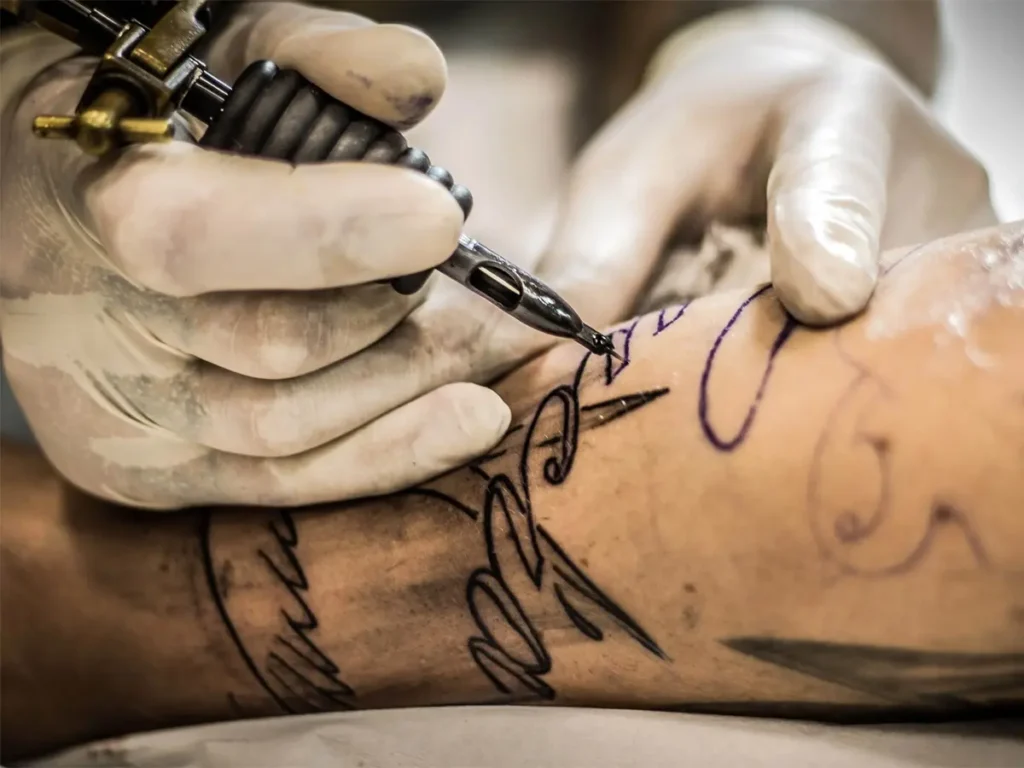
They should expect written aftercare instructions and a realistic healing timeline. Fine line work can be vulnerable to over-washing, picking, or using harsh products that fade delicate lines.
A good artist gives product guidance, warns against sun exposure, and explains when it is safe to train, swim, or use sauna. They also explain how to assess whether a touch-up is truly needed. Check out more about the best watercolour tattoo artists in Sydney, including top picks and styles.
What is the simplest checklist for choosing the best fine line tattoo artists in Sydney?
They should prioritise technique and healed outcomes over trendiness. The best choice is usually the artist whose healed work looks consistently clean and whose process feels safe and transparent.
A quick checklist they can use:
- Healed fine line photos are easy to find
- Lines look steady, smooth, and evenly saturated
- The studio looks hygienic and professional
- The artist explains longevity, not just aesthetics
- Booking, pricing, and aftercare are clear and documented
FAQs (Frequently Asked Questions)
What defines a fine line tattoo and why is artist selection crucial?
A fine line tattoo features very thin, precise lines to create delicate designs with minimal shading, often using single-needle or tight needle groupings and lots of negative space. Because of the small line size, any wobble or uneven pressure is immediately visible, making artist selection more important than in heavier styles.
Why is fine line tattooing considered harder than it appears?
Fine line tattoos are less forgiving because they use less ink and have a smaller margin for error. Going too deep can cause lines to spread, while going too light may lead to quick fading. Skilled artists balance depth, speed, and skin stretch to ensure clean lines and know when to decline designs that won’t age well at tiny sizes.
What should I look for in a Sydney fine line tattoo artist’s portfolio?
Look for consistency across many pieces with steady line weight, smooth curves, and clean intersections—not just one or two highlights. Also check for variety in scale; an artist skilled only in micro tattoos may struggle with larger fine line designs and vice versa.
Why are healed tattoo photos more important than fresh ones when choosing an artist?
Fresh tattoos can appear sharp even if the technique is weak because the ink hasn’t settled. Healed photos taken weeks or months later reveal whether lines stayed crisp and the design maintained its shape. Look for clear, non-fuzzy healed lines; if these aren’t readily available, ask the artist for examples before booking.
How can I identify red flags in fine line tattoos?
Watch out for shaky lines, uneven saturation, inconsistent spacing, excessive redness or swelling indicating heavy-handed technique, ultra-tiny text, overly dense micro details, and designs relying on hair-thin lines for important meaning. A good artist will explain which elements may blur over time.
What key questions should I ask during a consultation with a fine line tattoo artist?
Ask how they ensure longevity of small designs by adjusting line weight, spacing, and size. Inquire about aftercare requirements, touch-up policies, and recommended healing timelines before judging the final result. Answers should be specific rather than generic to demonstrate expertise.